Japanese Student Prepares Thesis on Chilean Salmon
Japanese student Yoshifumi Nishida is currently in South America as part of an academic exchange program and recently visited Chile to learn first-hand about the production of Chilean salmon, one of the country’s most important aquaculture exports and a widely consumed product in Japan.
During his stay in Chile, Nishida aims to visit several production facilities within the Chilean salmon industry and gather information for his undergraduate thesis. His research focuses on the qualities of Chilean salmon as a source of protein and its potential to reach new generations of consumers in Japan.
The 21-year-old student studies at Kansai University in Japan and is currently completing an exchange semester at the Universidad de Especialidades Espíritu Santo in Ecuador, supported by a scholarship from the Japanese government. During his time in South America, he has already traveled through Argentina, Uruguay, and Chile, exploring the region’s culture, food, and productive sectors.
Interest in Chilean Salmon
Nishida’s interest in Chilean salmon began while working in Japan at the well-known restaurant chain Kura, where he worked for one year as both a waiter and sushi cook. There he regularly handled salmon imported from Chile, which sparked his curiosity about its origin and production system.
“In my job we always worked with salmon from Chile. At some point I started seeing negative news stories claiming that fish receive too many vaccines or that it could affect consumers’ health. That made me want to see the Chilean fish with my own eyes and explain the reality to people in Japan,” Nishida said.
According to the student, understanding how food is produced is just as important as knowing its nutritional value.
“Japanese people know the proteins they eat, but they often do not know how those products are farmed or where they come from. At the same time, younger generations are eating fewer seafood products, even though they are very healthy,” he added.
Research on Salmon Farming in Chile
All of this information will be included in the thesis Nishida must complete in order to graduate. His research will explore different aspects of salmon farming in Chile, including production practices, culinary traditions, natural environments, and the nutritional properties of salmon.
He is also interested in studying the perception of Chilean salmon in Japan, one of the main export markets for the product.
Visit to a Salmon Hatchery in Southern Chile
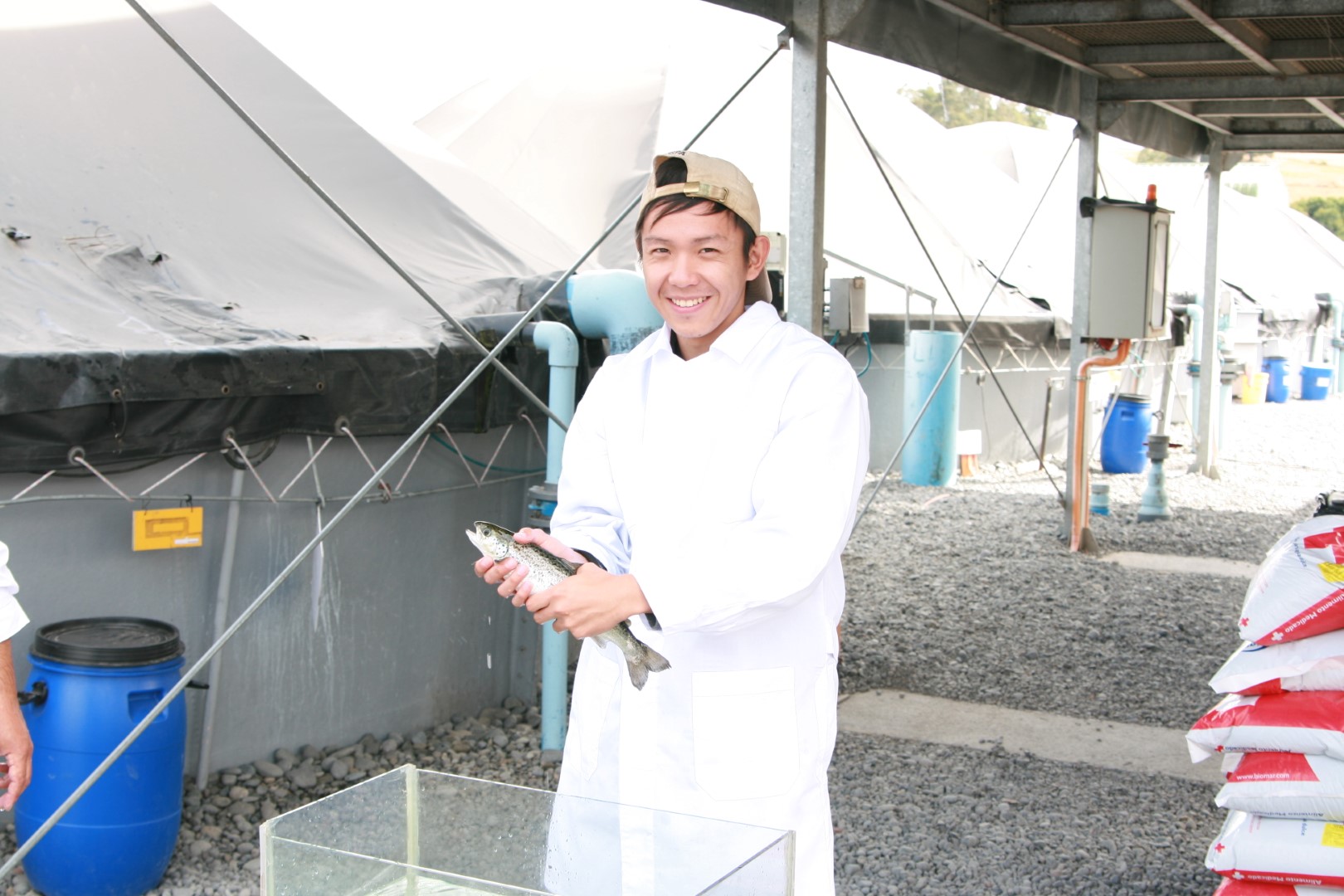
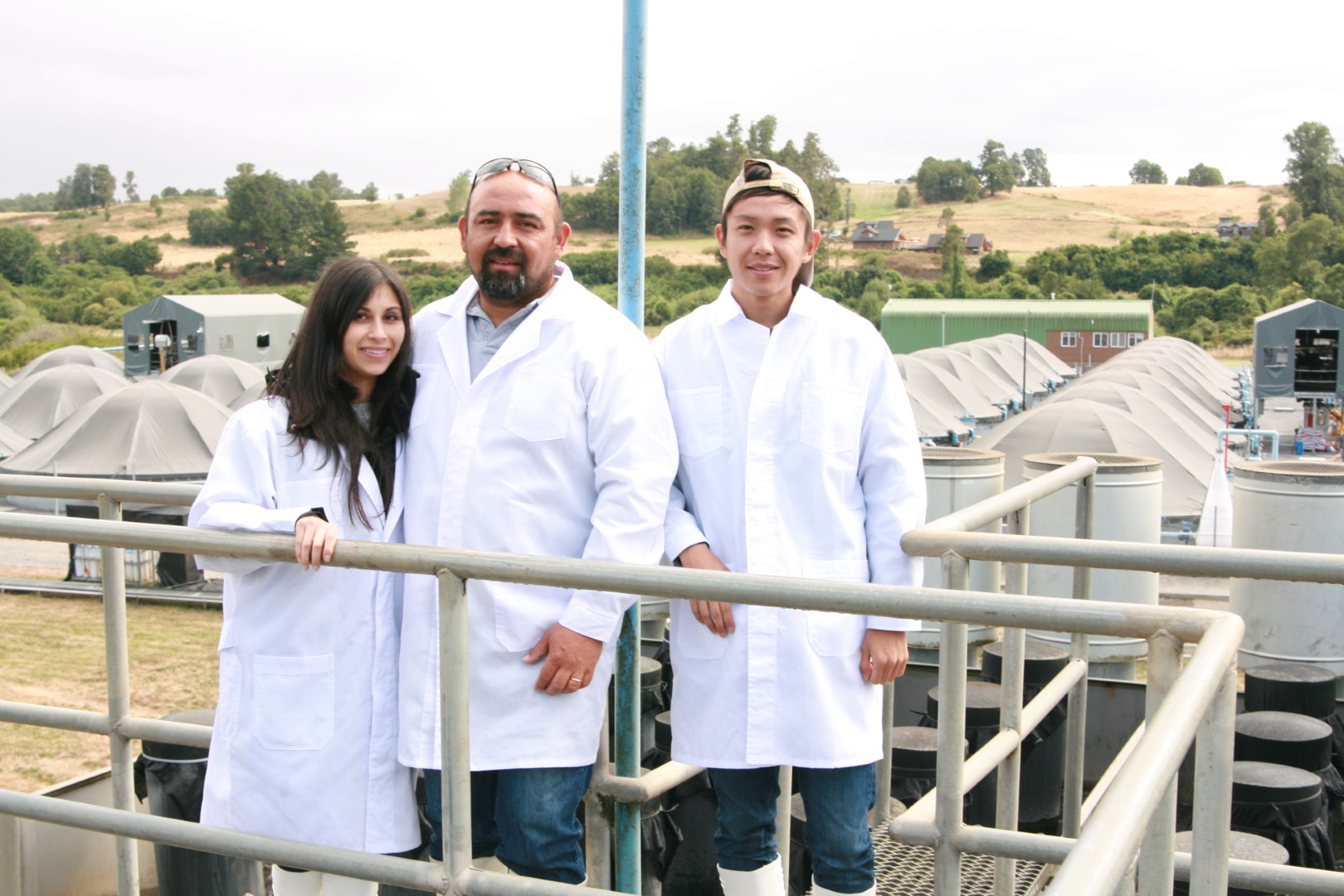
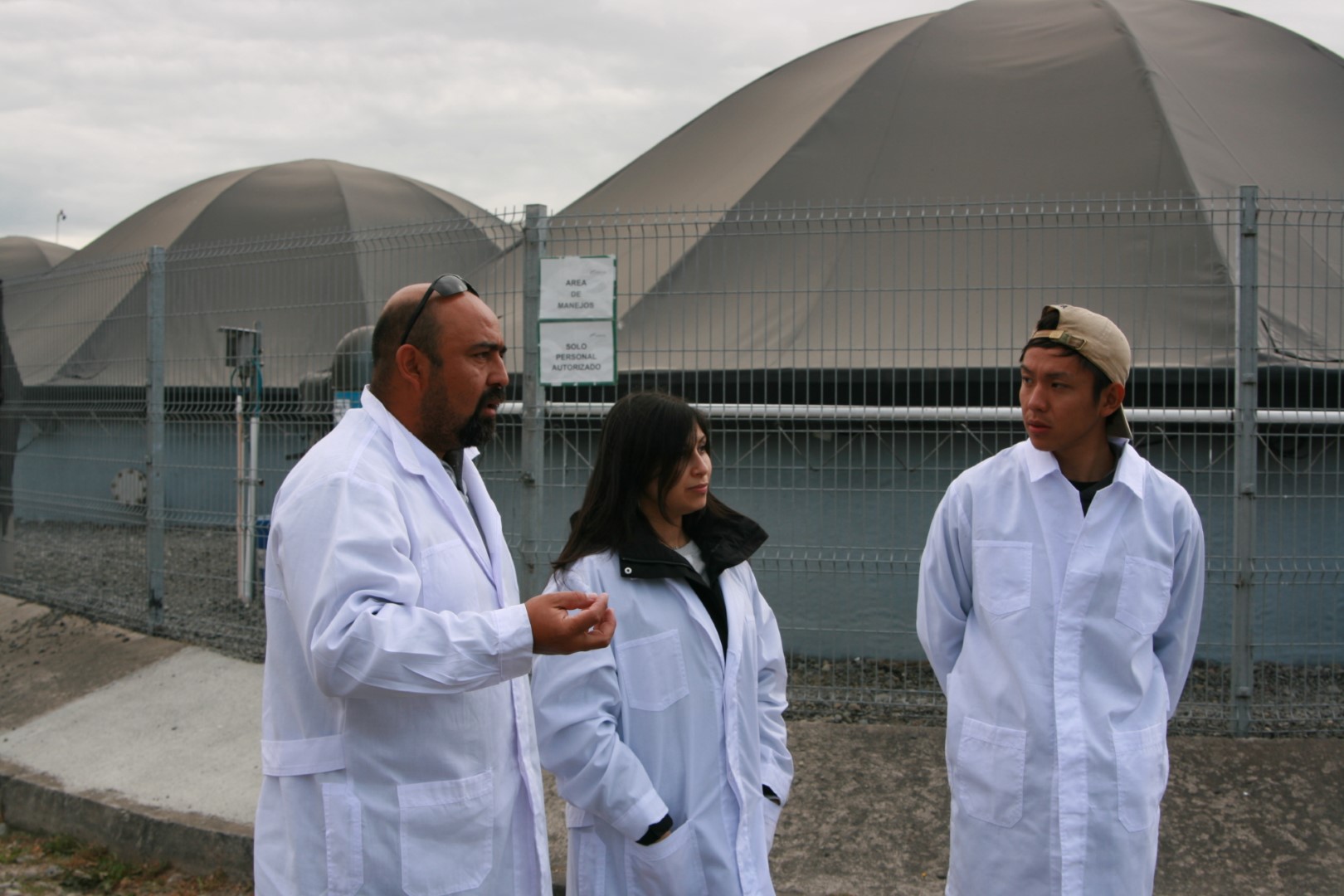
As part of his fieldwork, Nishida visited the Las Quemas hatchery, operated by Cultivos Yadrán S.A., located near the city of Osorno in the Los Lagos Region, the heart of Chile’s salmon farming sector.
During the visit he toured the facilities, observed the fish production process, and interacted with live salmon. The experience allowed him to better understand the day-to-day operations of a salmon hatchery in Chile.
After the visit, Nishida highlighted the professionalism of the people working in the industry.
“I was impressed by the enthusiasm and dedication of the workers. You can see it reflected in how healthy and well-maintained the fish look,” he said.
Technical Visits to the Salmon Industry
The visit was organized by Greetech, a company led by Christian Pérez that specializes in technical visits to productive facilities, helping students, professionals, and international visitors gain a deeper understanding of Chile’s productive sectors.
According to Pérez, initiatives like this help strengthen knowledge and transparency around the Chilean salmon industry.
“It is important to create opportunities for people from Chile and abroad to learn how this industry operates and the value it brings to regional development,” he explained.
Sharing Chile’s Salmon Industry in Japan
Once he returns to Japan, Nishida plans to share his experience through several outreach initiatives.
One of his projects is to create a blog about Latin American culture and food, where he will write about the countries he visited and the industries he learned about during his stay abroad.
“In Japan many people do not know much about Chile or South America and sometimes have incorrect perceptions about these countries. I want to show the reality and help Japanese readers discover this part of the world,” Nishida said.
After completing his stay in Chile, the student plans to continue traveling through Central America before returning to Japan to finish his studies and complete his thesis.