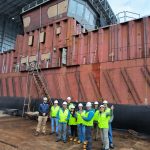
A group of Brazilian aquaculture researchers carried out a technical visit to several production facilities within the salmon industry in southern Chile, with the aim of strengthening knowledge exchange and exploring opportunities for collaboration in innovation, sustainability, and best production practices.
The delegation was composed of Prof. Dr. Adilson Reidel and laboratory technician and PhD candidate Renan Gustavo de Oliveira, both affiliated with the Aquaculture Technician and Aquaculture Engineering programmes at the Instituto Federal de Paraná (IFPR) – Campus Foz do Iguazú campus, a region characterised by its strong tilapia production.
Technical tour across Chile’s salmon farming ecosystem
The agenda included a programme of productive technical visits designed to provide a comprehensive overview of Chile’s salmon farming model.
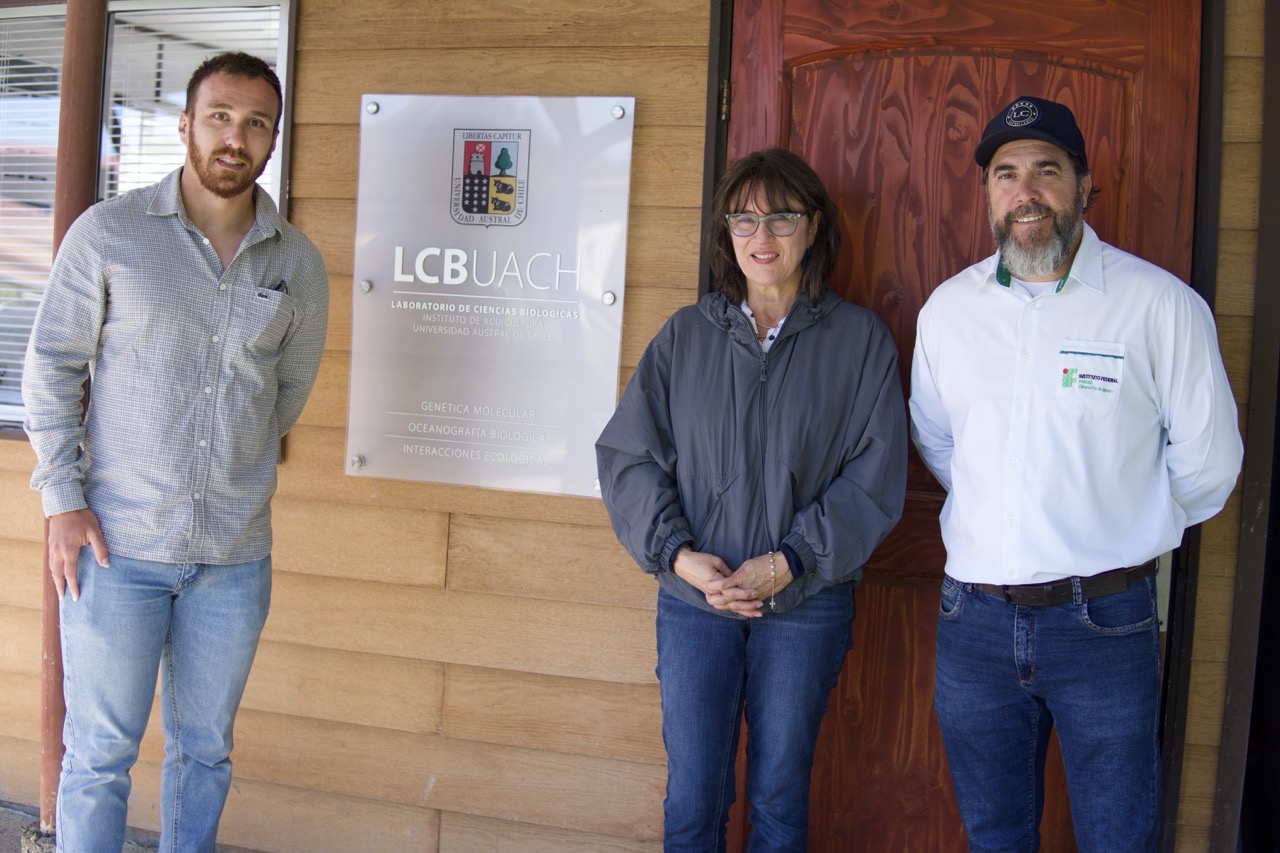
Activities began with a meeting with MsC Sandra Marín, a specialist in Ecology and Management of Biological Systems at the Austral University of Chile, where potential academic collaboration between southern Chile and southern Brazil was explored.
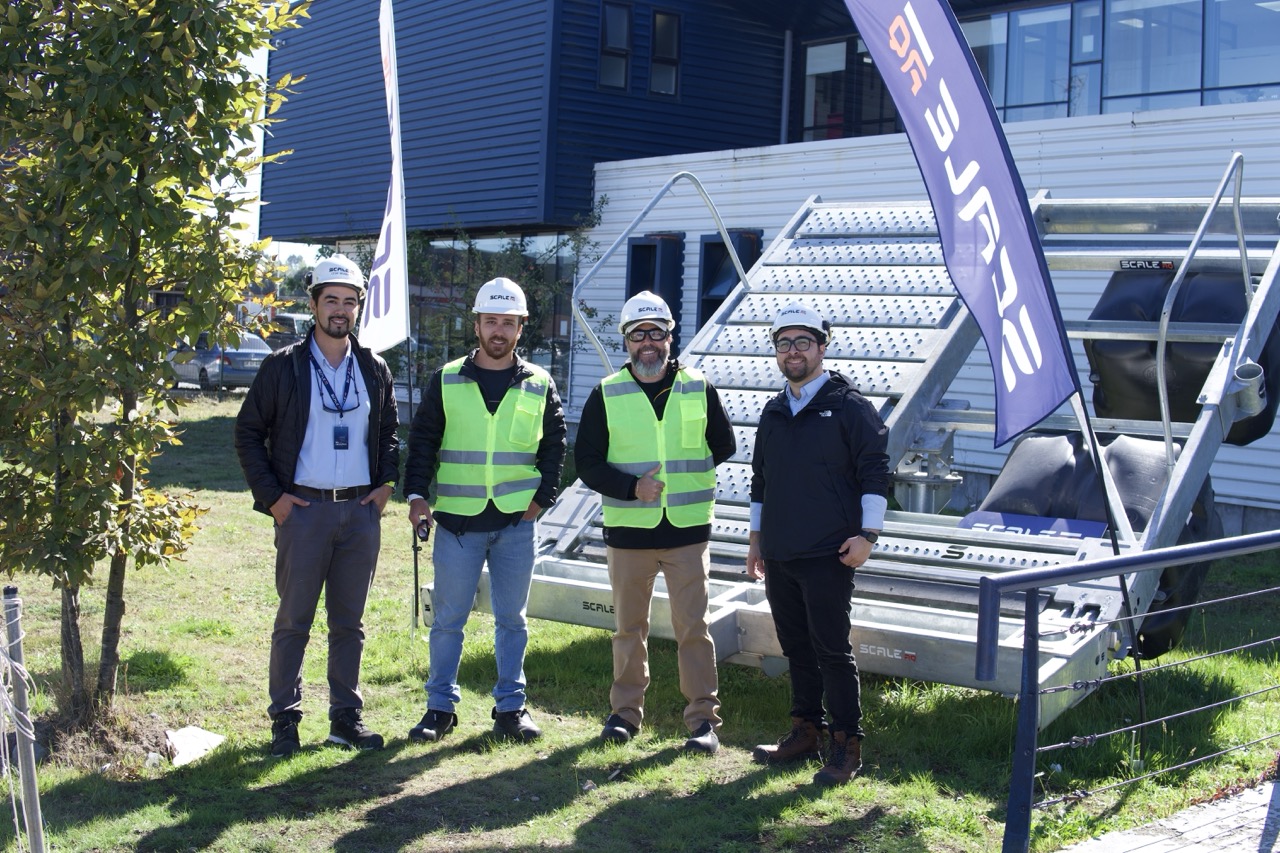
The delegation then visited the facilities of ScaleAQ Chile in Puerto Varas to learn about manufacturing processes and the development of specialised equipment for the aquaculture industry.
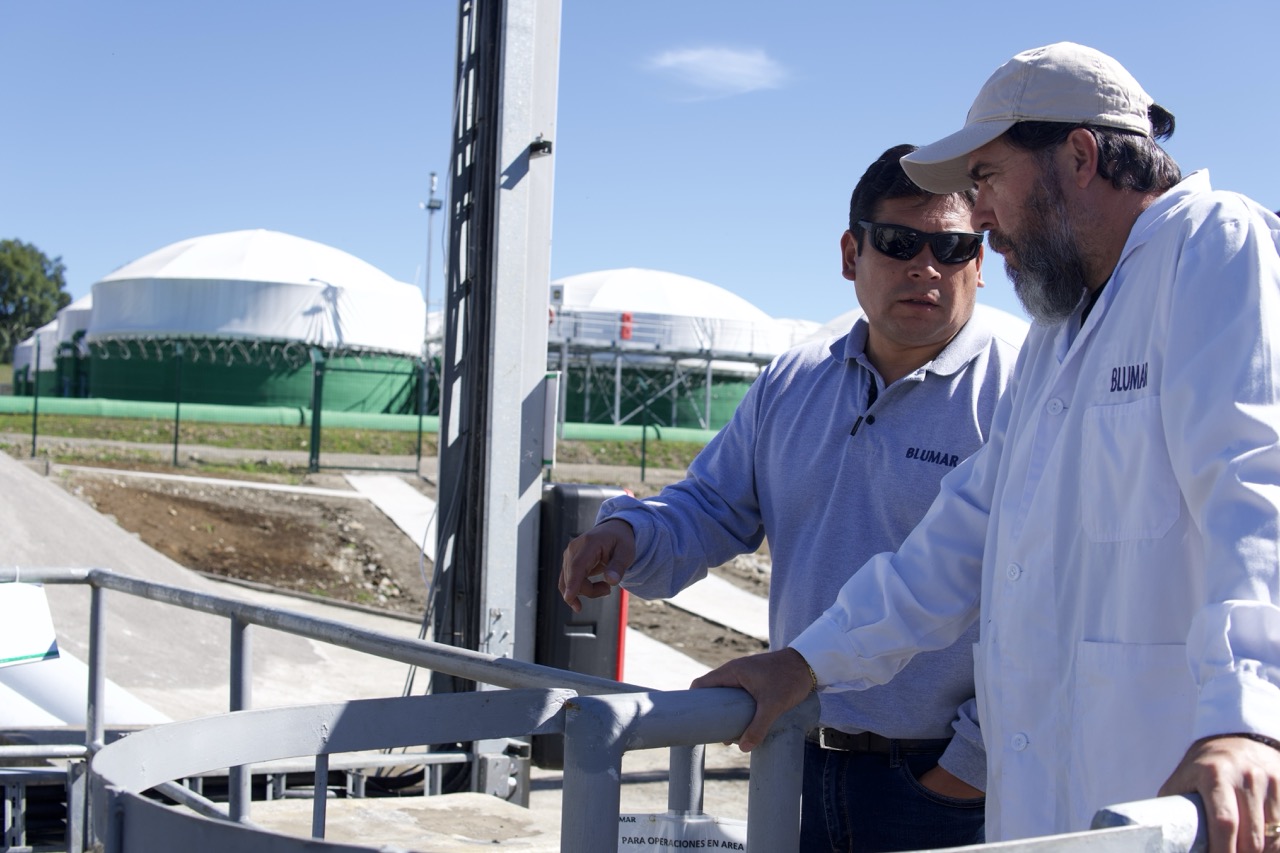
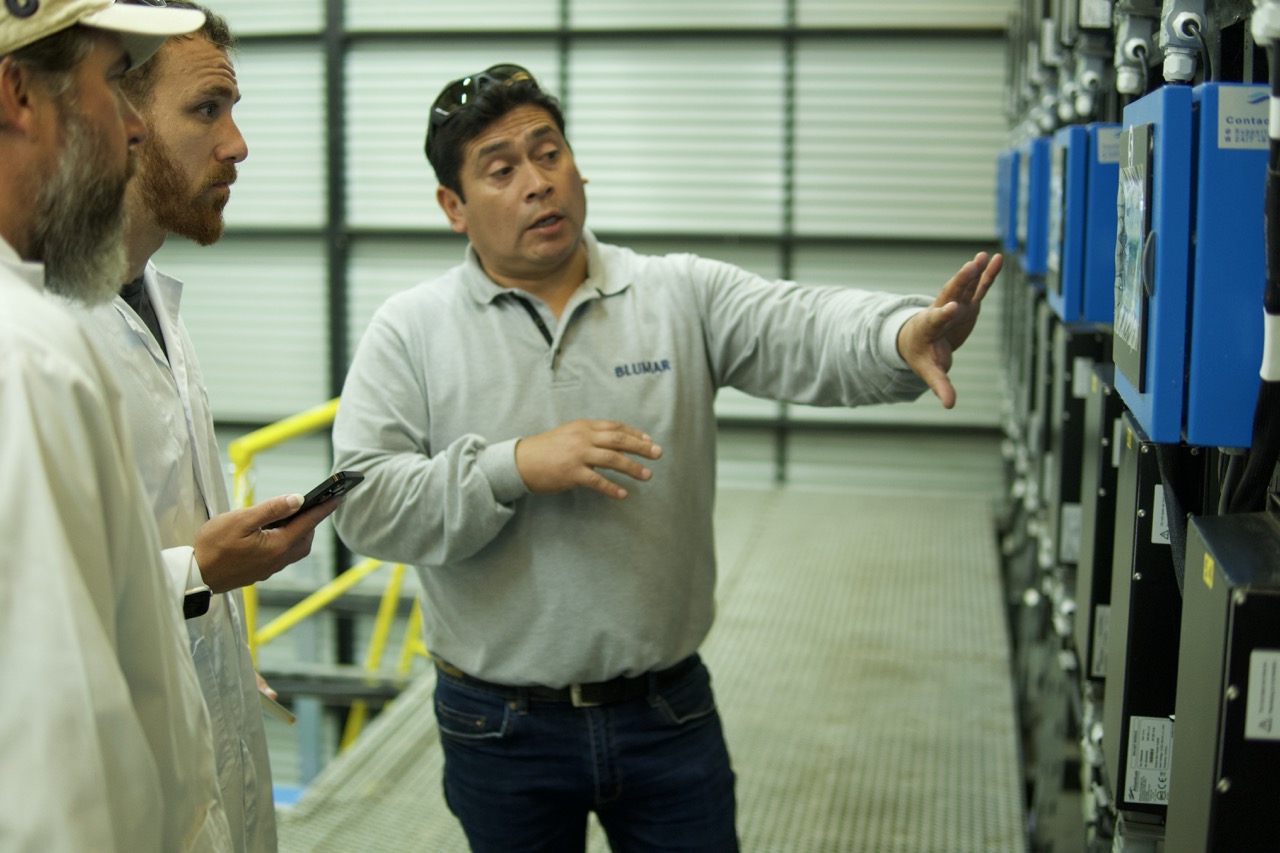
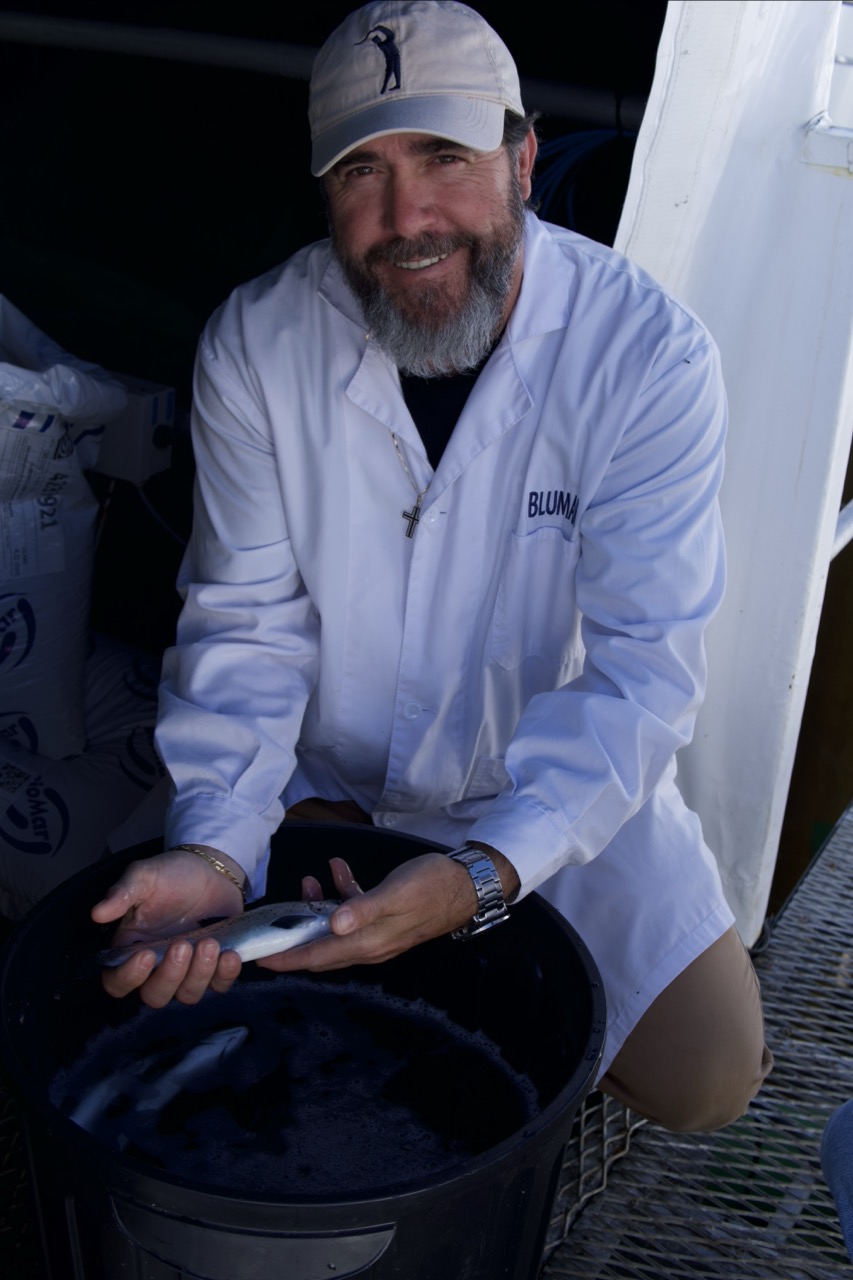
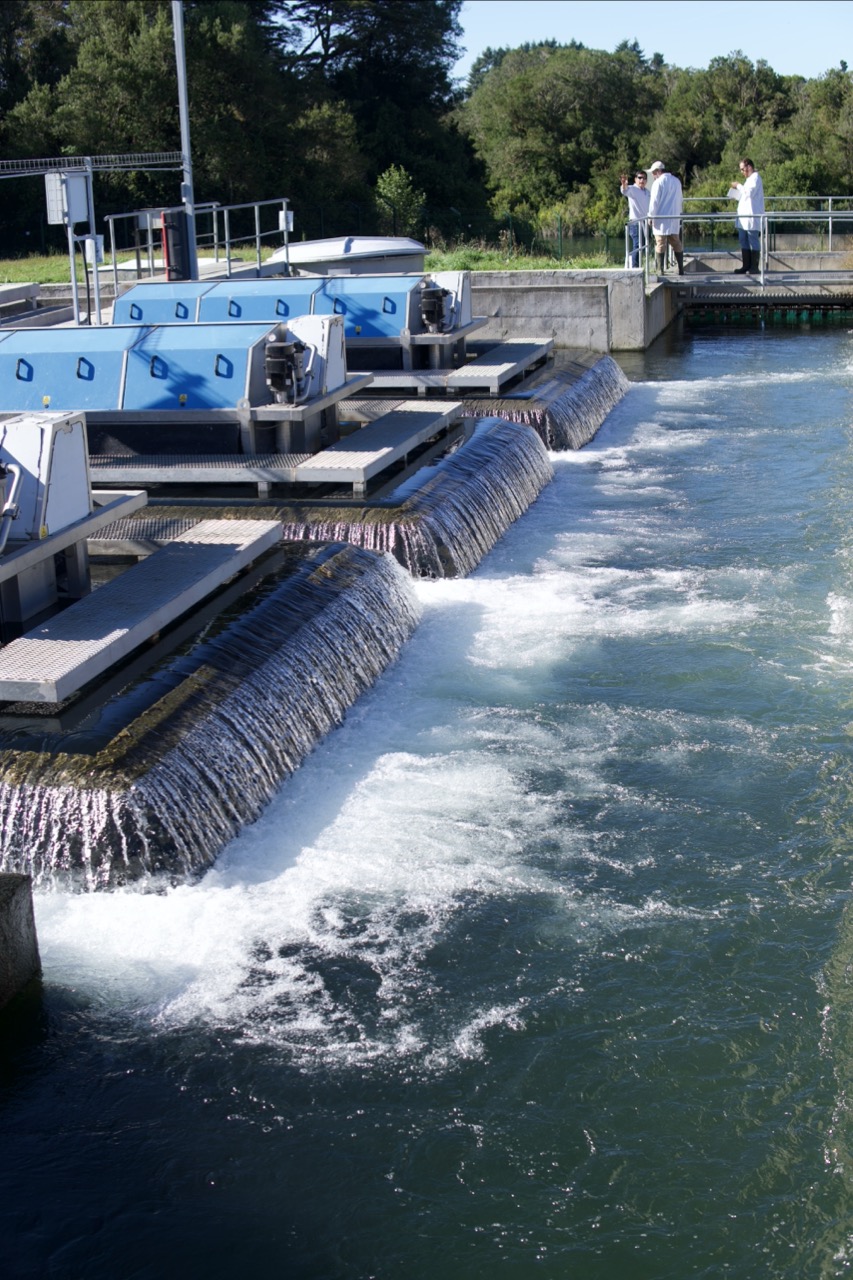
The second day included a visit to the Puyehue freshwater facility operated by Blumar Seafoods, where the specialists observed salmon production in freshwater and gained insights into health standards, production efficiency, and sustainability practices.
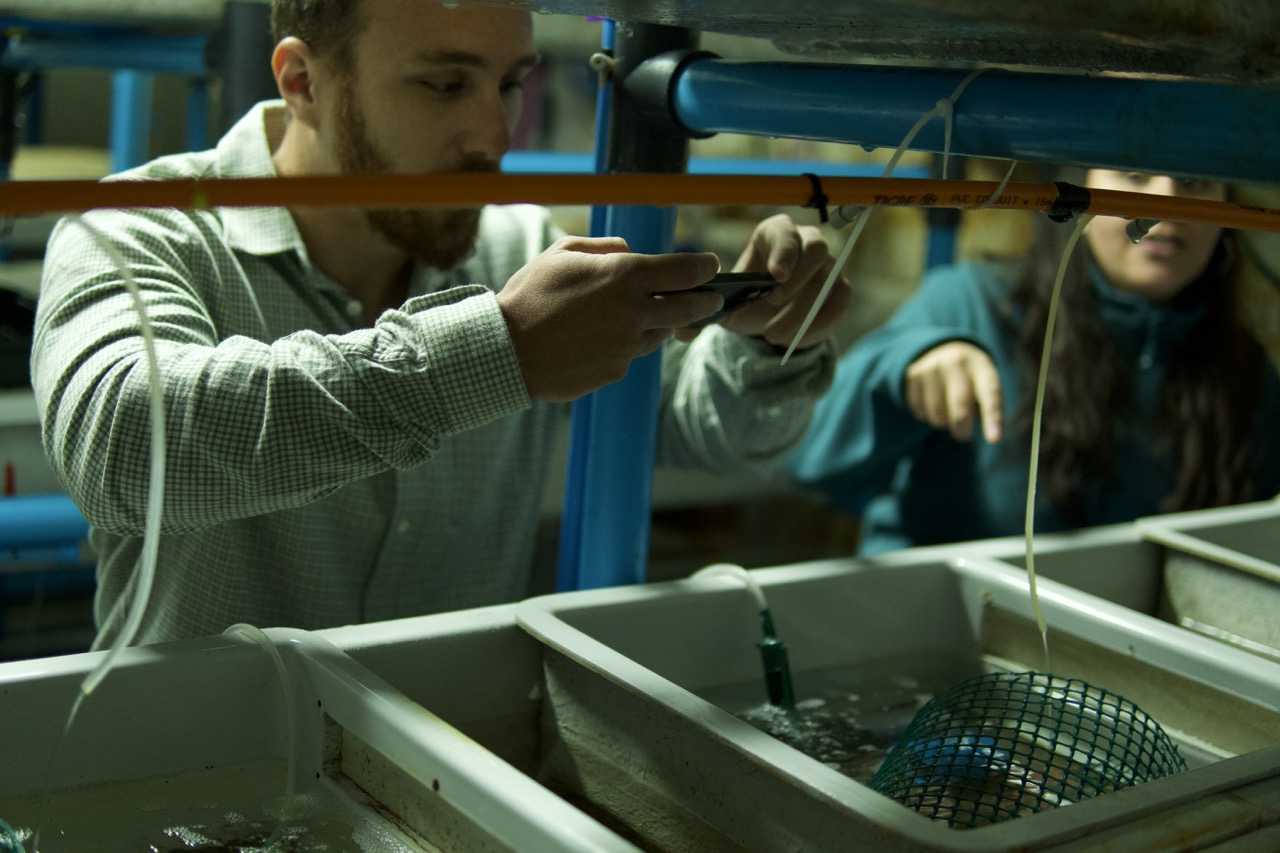
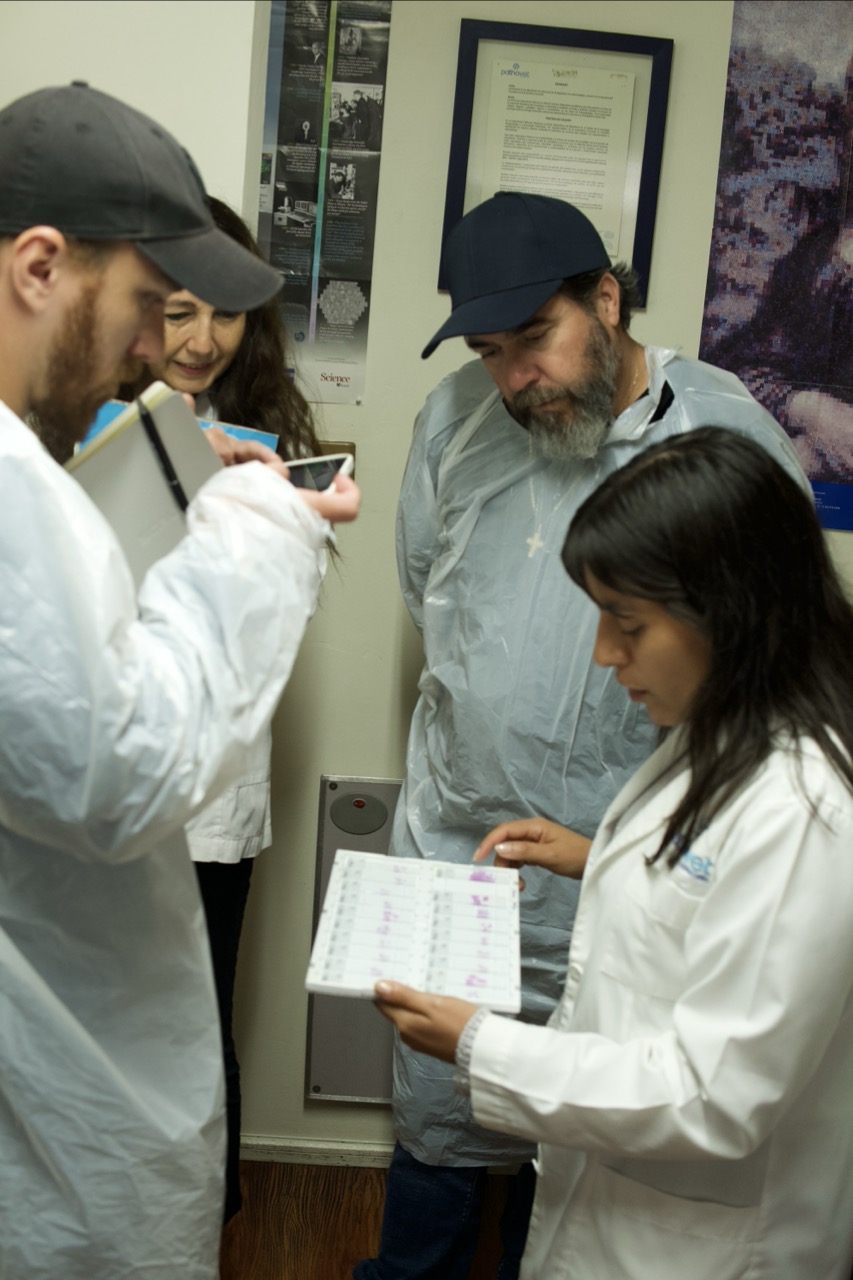
The agenda continued with a visit to the Molecular Biology, Pathological Anatomy, Clinical Pathology, and Immunodiagnostics laboratories of Pathovet, a Chilean company with a presence in the Brazilian market. There, the delegation reviewed studies applied to both salmon and tilapia farming, a sector that reached 662,230 tonnes of production in Brazil in 2024, according to data from Peixe BR.
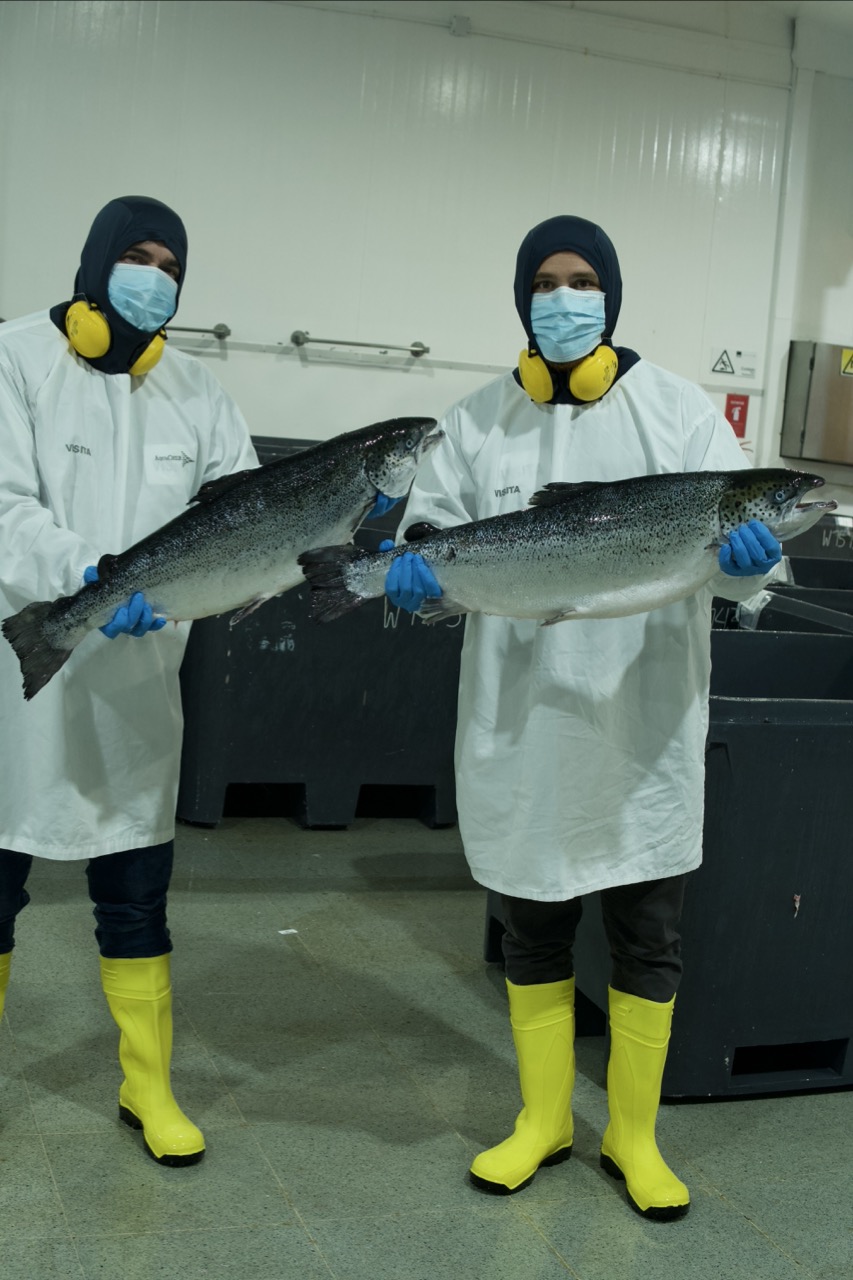
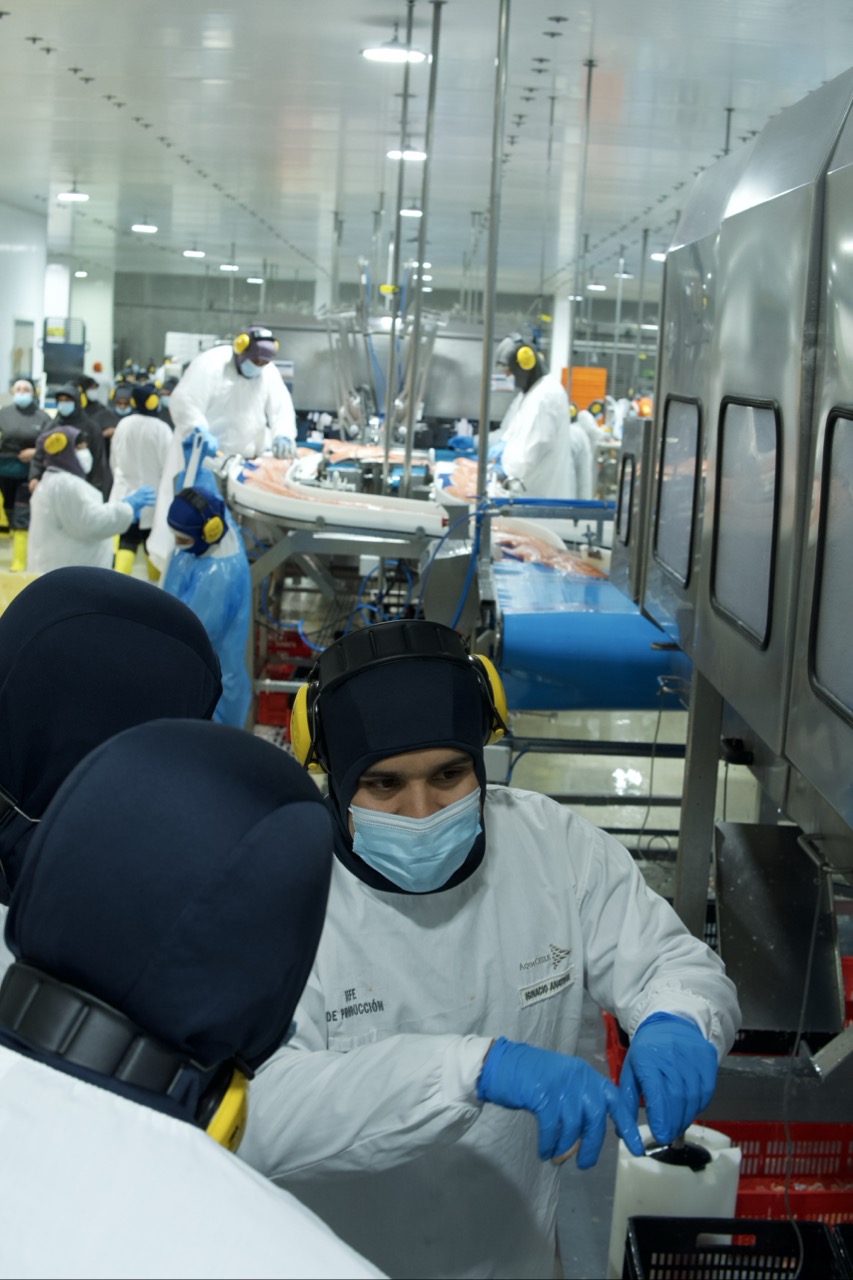
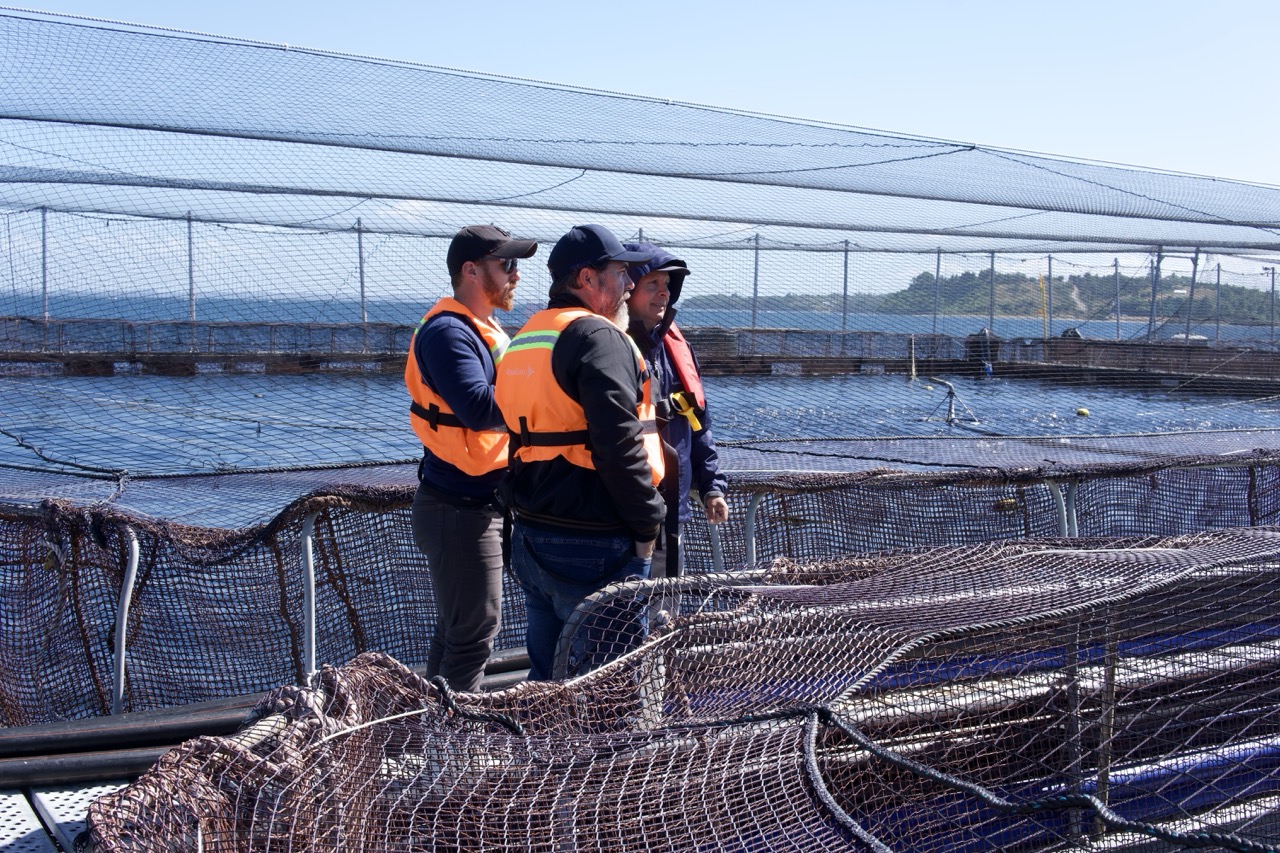
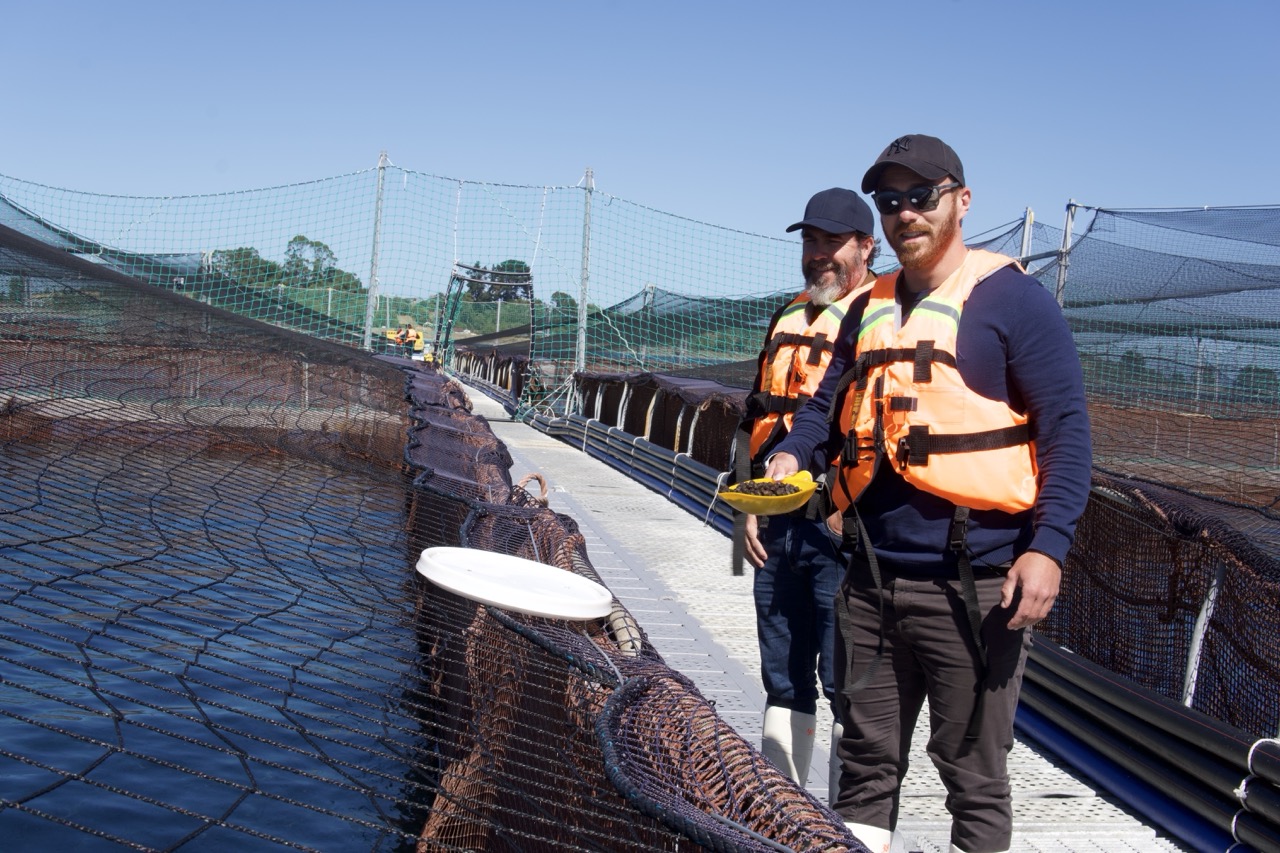
Finally, the delegation toured the processing plant and retail outlet of Empresas AquaChile, as well as the Abtao grow-out site, completing a comprehensive overview of the salmon production cycle, from freshwater to marine farming.
These final visits marked the conclusion of an intensive programme of exchange, leaving valuable insights and opening new opportunities for future collaboration.
The programme also included communications coordination and audiovisual documentation, strengthening the international visibility of the visit.
Technology transfer and international exchange
Reflecting on the experience, Dr. Adilson Reidel highlighted its relevance:
“This immersion was very important for those of us working in this field, as it allowed us to gain an in-depth understanding of this production model. This visit provided us with a broad perspective on the level of technological development and the use of new tools in aquaculture.”
The visit enabled a comparison between Brazil’s intensive tilapia production model and the integrated salmon farming system in southern Chile, generating concrete opportunities for technical and academic exchange.
Coverage in specialised media
The visit was also covered by international aquaculture media. The specialised portal The Fish Site highlighted the interest of Brazilian producers and academics in understanding the technological know-how of Chilean salmon farming.
Likewise, Aquaculture Brasil reported on the collaboration between IFPR and stakeholders in Chile’s aquaculture sector, underlining the potential for bilateral cooperation in innovation and sustainability.
A case of international coordination in aquaculture industrial tourism
This technical visit represents an example of productive industrial tourism applied to the aquaculture sector, where field experience, technical exchange, and the connection between productive ecosystems contribute to strengthening sector legitimacy and enabling knowledge transfer between regions.